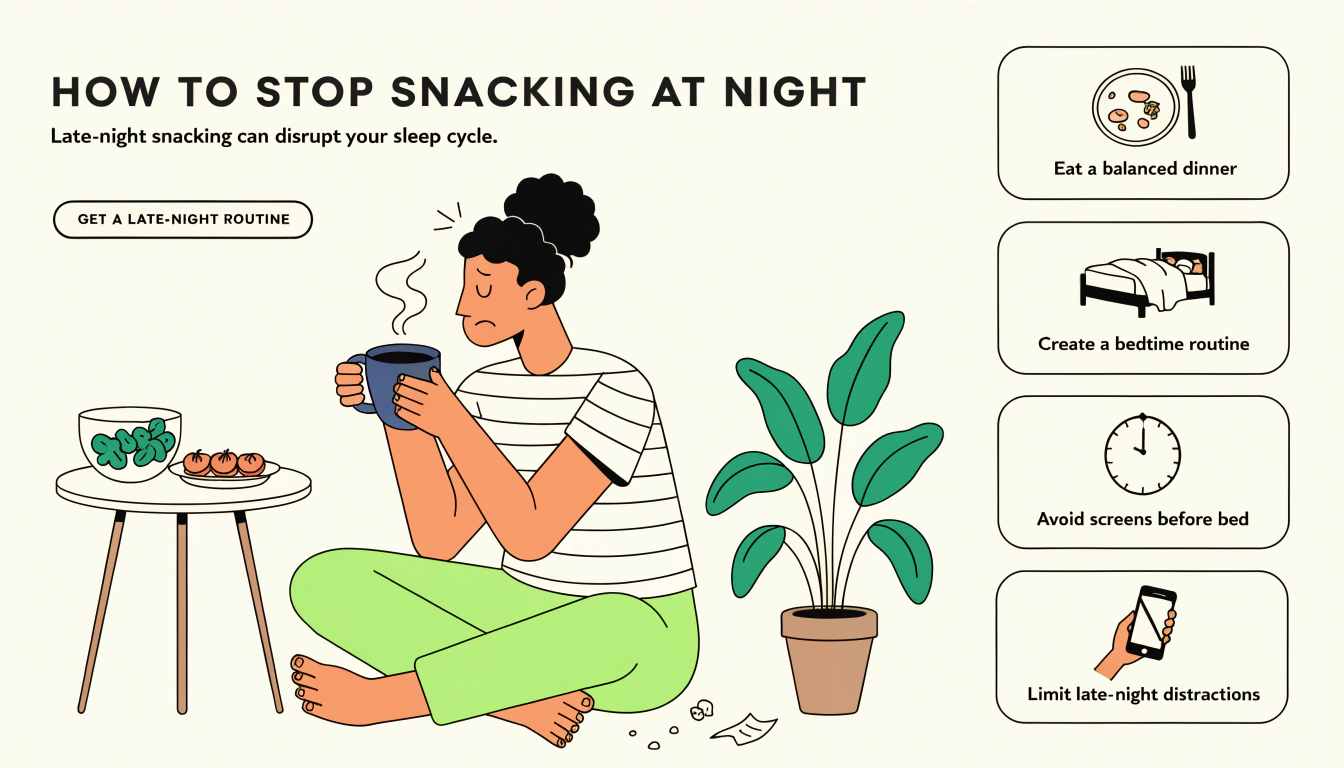
Night time snacking is an ordinary habit that many people fight with, especially after dinner or before going to bed.
While occasional snacking is normal, eating too many unhealthy foods at night can lead to weight gain, poor sleep and unhealthy eating habits. Late night cravings often happen because of stress, boredom, https://thehealthypath.online/why-am-i-tired-even-8-hours-of-sleep-guide/ irregular meals or selecting foods that do not keep you full during the day.
In this article we will guide you that with the help of right strategies, you can reduce cravings and build healthier habits?
Why Do We Snack at Night?
Knowing the reason behind night time snacking is the first step toward stopping it.
Many people eat at night not because they are hungry but because of habits, emotions or routines.
Some common reasons for late night snacking involves:
- Skipping meals during the day
- Eating meals that have less protein and fiber
- Stress or emotional eating
- Watching TV or utilizing devices while eating
- Feeling bored or tired
- Keeping unhealthy snacks easily available
When you identify your personal triggers, it becomes easier to control cravings and make better choices.
Eat Enough During the Day
One of the biggest causes people snack at night is because they do not eat enough during the day.
Skipping breakfast, eating small meals or avoiding certain foods can make your body crave extra calories later.
Make sure your daily meals include a balance of protein, healthy fats and fiber.
Foods like eggs, vegetables, whole grains, beans, lean meats, fruits and nuts can help keep you full for longer.
A well balanced diet during the day reduces the chance of feeling extremely hungry at night.
Create a Regular Eating Schedule
Having a constant eating routine can help control night time cravings. Try to eat meals at regular times instead of waiting until you are extremely hungry.
A good eating schedule helps your body understand when to expect food and reduces unnecessary snacking.
Avoid long gaps between meals because they may increase cravings for sugary or processed foods.
Choose Filling Foods for Dinner
Your dinner plays a vital role in saving late night hunger. A meal that is low in nutrients may make you feel hungry again before bedtime.
Involve foods that provide long-lasting energy, such as:
- Lean protein like chicken, fish, eggs or beans
- Vegetables rich in fiber
- Whole grains like brown rice or oats
- Healthy fats just like avocado, nuts and some olive oil
A balanced dinner can help you stay satisfied and reduce the desire to snack later.
Drink Enough Water
Sometimes thirst can feel like hunger. If you suddenly feel the urge to eat at night, try drinking a glass of water first and wait a few minutes.
Staying hydrated throughout the day supports digestion and helps your body function properly. Herbal tea or warm water can also be a relaxing option before bedtime.
However, avoid drinking too many fluids right before sleeping because it may disturb your sleep.
Identify Your Triggers
Many people snack at night because of emotional reasons rather than physical hunger.
Stress, loneliness, boredom or watching television can create a habit of reaching for snacks.
Try to notice when and why you usually snack. Keeping a simple food journal can help you understand your patterns.
Once you know your triggers, replace the habit with healthier activities such as reading, walking, stretching, listening to music or practicing relaxation techniques.
Keep Unhealthy Snacks Away
The foods around you can influence your choices. If chips, cookies, candy, and sugary drinks are easily available, you are more likely to eat them at night.
Instead, keep healthier options nearby, such as:
- Fresh fruits
- Greek yogurt
- Nuts
- Vegetables with hummus
- Air popped popcorn
Making healthy foods easier to access can help you make better decisions when cravings appear.
Avoid Eating While Watching TV
Eating while watching TV, scrolling on your phone or using a computer can lead to mindless snacking.
You may eat more than you planned because you are focused on the activity instead of your food.
Try eating meals and snacks without distractions. Paying attention to your food helps you recognize when you are full and prevents overeating.
Improve Your Sleep Routine
Poor sleep can increase cravings, especially for sugary and high calorie foods.
Create a relaxing bedtime routine by:
- Go for sleeping at the same time every night
- Limiting screen time before sleep
- Creating a comfortable sleeping environment
- Avoiding heavy meals close to bedtime
Better sleep can make it easier to control food choices and reduce nighttime hunger.
Find Healthy Alternatives for Cravings
If you still feel hungry at night, choose healthier snacks instead of forcing yourself to ignore hunger completely.
Some better options involve:
- A small bowl of yogurt with fruit
- A handful of almonds
- A banana with peanut butter
- Oatmeal with cinnamon
- Cottage cheese
These foods can satisfy cravings while providing important nutrients.
Practice Mindful Eating
Mindful eating means paying attention to your hunger, food choices, and eating habits. Before grabbing a snack, ask yourself:
“Am I really hungry, or am I eating because I am bored or stressed?”
If you are physically hungry, choose a nutritious snack.
Avoid Strict Diet Rules
Extreme dieting can make cravings stronger. When you completely avoid certain foods, you may develop stronger desires for them later.
Instead of banning foods completely, focus on balance and moderation. Enjoy your favorite foods occasionally while maintaining healthy habits most of the time.
A flexible approach is easier to maintain and helps prevent overeating.
Set a Kitchen Closing Time
Creating a simple rule like “the kitchen is closed after a certain time” can help reduce unnecessary nighttime eating.
After dinner, clean the kitchen, brush your teeth and start your bedtime routine. These actions send a signal to your brain that eating time is finished.
This habit can be especially helpful for people who snack out of routine.
Stay Busy After Dinner
Many nighttime cravings happen because people are bored after finishing daily tasks. Keeping yourself busy can reduce the desire to snack.
You can spend your evening doing activities like:
- Reading a book
- Taking a short walk
- Organizing your home
- Doing a hobby
- Spending time with family
A productive evening routine can help break the habit of unnecessary eating.
FAQS
1. What can I take to suppress my appetite at night?
Drink water or herbal tea and choose a small protein snack such as yogurt or nuts.
2. What kills hunger cravings?
Protein foods, fiber, enough water and good nutritious meals can help to decrease hunger cravings and keep you full for longer.
3. Will you lose weight if you stop eating at night?
Yes, if it helps you reduce overall calorie intake and maintain healthy eating habits.
Conclusion
Stopping nighttime snacking does not require extreme changes or strict diets. The key is understanding why you crave food at night and creating healthier habits that support your body.
Eating good nutritious balanced meals, keeping hydrated, quality sleep and managing stress can greatly reduce late night cravings. https://thehealthypath.online/healthy-snacks-for-late-night-cravings-11-best-options/ Always choosing healthy snacks that are available at night and avoiding disturbance and different schedules while eating can also make a big contrast.
With consistency and better choices you can control nighttime snacking and maintain a healthier lifestyle.