script async src="https://pagead2.googlesyndication.com/pagead/js/adsbygoogle.js?client=ca-pub-4160189854338011" crossorigin="anonymous">

Author: thehealthypath

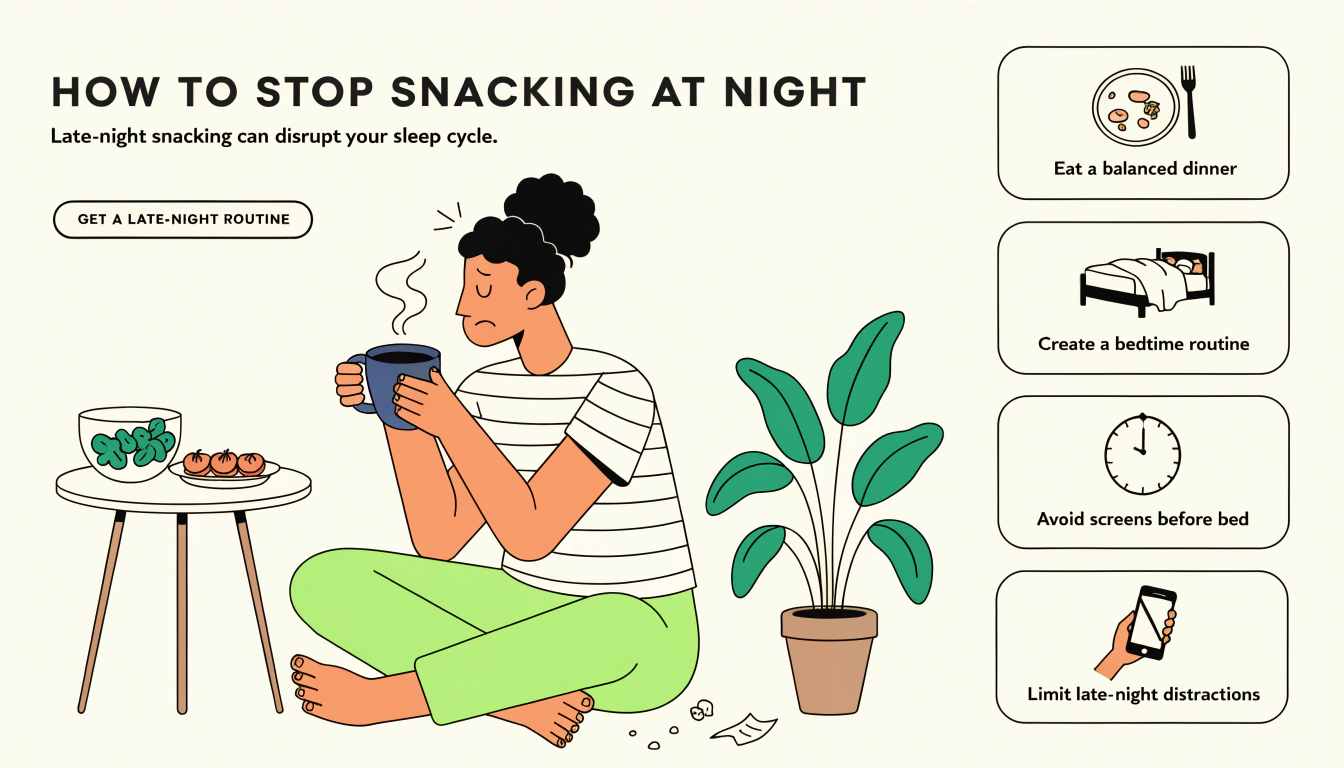
  • How to Stop Snacking at Night? – Simple Tips

    How to Stop Snacking at Night? – Simple Tips

    Night time snacking is an ordinary habit that many people fight with, especially after dinner or before going to bed.

    While occasional snacking is normal, eating too many unhealthy foods at night can lead to weight gain, poor sleep and unhealthy eating habits. Late night cravings often happen because of stress, boredom, https://thehealthypath.online/why-am-i-tired-even-8-hours-of-sleep-guide/ irregular meals or selecting foods that do not keep you full during the day.

    In this article we will guide you that with the help of right strategies, you can reduce cravings and build healthier habits?

    Why Do We Snack at Night?

    Knowing the reason behind night time snacking is the first step toward stopping it.

    Many people eat at night not because they are hungry but because of habits, emotions or routines.

    Some common reasons for late night snacking involves:

    • Skipping meals during the day
    • Eating meals that have less protein and fiber
    • Stress or emotional eating
    • Watching TV or utilizing devices while eating
    • Feeling bored or tired
    • Keeping unhealthy snacks easily available

    When you identify your personal triggers, it becomes easier to control cravings and make better choices.

    Eat Enough During the Day

    One of the biggest causes people snack at night is because they do not eat enough during the day.

    Skipping breakfast, eating small meals or avoiding certain foods can make your body crave extra calories later.

    Make sure your daily meals include a balance of protein, healthy fats and fiber.

    Foods like eggs, vegetables, whole grains, beans, lean meats, fruits and nuts can help keep you full for longer.

    A well balanced diet during the day reduces the chance of feeling extremely hungry at night.

    Create a Regular Eating Schedule

    Having a constant eating routine can help control night time cravings. Try to eat meals at regular times instead of waiting until you are extremely hungry.

    A good eating schedule helps your body understand when to expect food and reduces unnecessary snacking.

    Avoid long gaps between meals because they may increase cravings for sugary or processed foods.

    Choose Filling Foods for Dinner

    Your dinner plays a vital role in saving late night hunger. A meal that is low in nutrients may make you feel hungry again before bedtime.

    Involve foods that provide long-lasting energy, such as:

    • Lean protein like chicken, fish, eggs or beans
    • Vegetables rich in fiber
    • Whole grains like brown rice or oats
    • Healthy fats just like avocado, nuts and some olive oil

    A balanced dinner can help you stay satisfied and reduce the desire to snack later.

    Drink Enough Water

    Sometimes thirst can feel like hunger. If you suddenly feel the urge to eat at night, try drinking a glass of water first and wait a few minutes.

    Staying hydrated throughout the day supports digestion and helps your body function properly. Herbal tea or warm water can also be a relaxing option before bedtime.

    However, avoid drinking too many fluids right before sleeping because it may disturb your sleep.

    Identify Your Triggers

    Many people snack at night because of emotional reasons rather than physical hunger.

    Stress, loneliness, boredom or watching television can create a habit of reaching for snacks.

    Try to notice when and why you usually snack. Keeping a simple food journal can help you understand your patterns.

    Once you know your triggers, replace the habit with healthier activities such as reading, walking, stretching, listening to music or practicing relaxation techniques.

    Keep Unhealthy Snacks Away

    The foods around you can influence your choices. If chips, cookies, candy, and sugary drinks are easily available, you are more likely to eat them at night.

    Instead, keep healthier options nearby, such as:

    • Fresh fruits
    • Greek yogurt
    • Nuts
    • Vegetables with hummus
    • Air popped popcorn

    Making healthy foods easier to access can help you make better decisions when cravings appear.

    Avoid Eating While Watching TV

    Eating while watching TV, scrolling on your phone or using a computer can lead to mindless snacking.

    You may eat more than you planned because you are focused on the activity instead of your food.

    Try eating meals and snacks without distractions. Paying attention to your food helps you recognize when you are full and prevents overeating.

    Improve Your Sleep Routine

    Poor sleep can increase cravings, especially for sugary and high calorie foods.

    Create a relaxing bedtime routine by:

    • Go for sleeping at the same time every night
    • Limiting screen time before sleep
    • Creating a comfortable sleeping environment
    • Avoiding heavy meals close to bedtime

    Better sleep can make it easier to control food choices and reduce nighttime hunger.

    Find Healthy Alternatives for Cravings

    If you still feel hungry at night, choose healthier snacks instead of forcing yourself to ignore hunger completely.

    Some better options involve:

    • A small bowl of yogurt with fruit
    • A handful of almonds
    • A banana with peanut butter
    • Oatmeal with cinnamon
    • Cottage cheese

    These foods can satisfy cravings while providing important nutrients.

    Practice Mindful Eating

    Mindful eating means paying attention to your hunger, food choices, and eating habits. Before grabbing a snack, ask yourself:

    “Am I really hungry, or am I eating because I am bored or stressed?”

    If you are physically hungry, choose a nutritious snack.

    Avoid Strict Diet Rules

    Extreme dieting can make cravings stronger. When you completely avoid certain foods, you may develop stronger desires for them later.

    Instead of banning foods completely, focus on balance and moderation. Enjoy your favorite foods occasionally while maintaining healthy habits most of the time.

    A flexible approach is easier to maintain and helps prevent overeating.

    Set a Kitchen Closing Time

    Creating a simple rule like “the kitchen is closed after a certain time” can help reduce unnecessary nighttime eating.

    After dinner, clean the kitchen, brush your teeth and start your bedtime routine. These actions send a signal to your brain that eating time is finished.

    This habit can be especially helpful for people who snack out of routine.

    Stay Busy After Dinner

    Many nighttime cravings happen because people are bored after finishing daily tasks. Keeping yourself busy can reduce the desire to snack.

    You can spend your evening doing activities like:

    • Reading a book
    • Taking a short walk
    • Organizing your home
    • Doing a hobby
    • Spending time with family

    A productive evening routine can help break the habit of unnecessary eating.

    FAQS

    1. What can I take to suppress my appetite at night?

    Drink water or herbal tea and choose a small protein snack such as yogurt or nuts.

    2. What kills hunger cravings?

    Protein foods, fiber, enough water and good nutritious meals can help to decrease hunger cravings and keep you full for longer.

    3. Will you lose weight if you stop eating at night?

    Yes, if it helps you reduce overall calorie intake and maintain healthy eating habits.

    Conclusion

    Stopping nighttime snacking does not require extreme changes or strict diets. The key is understanding why you crave food at night and creating healthier habits that support your body.

    Eating good nutritious balanced meals, keeping hydrated, quality sleep and managing stress can greatly reduce late night cravings. https://thehealthypath.online/healthy-snacks-for-late-night-cravings-11-best-options/ Always choosing healthy snacks that are available at night and avoiding disturbance and different schedules while eating can also make a big contrast.

    With consistency and better choices you can control nighttime snacking and maintain a healthier lifestyle.
  • Healthy Snacks For Late Night Cravings – 11 Best Options

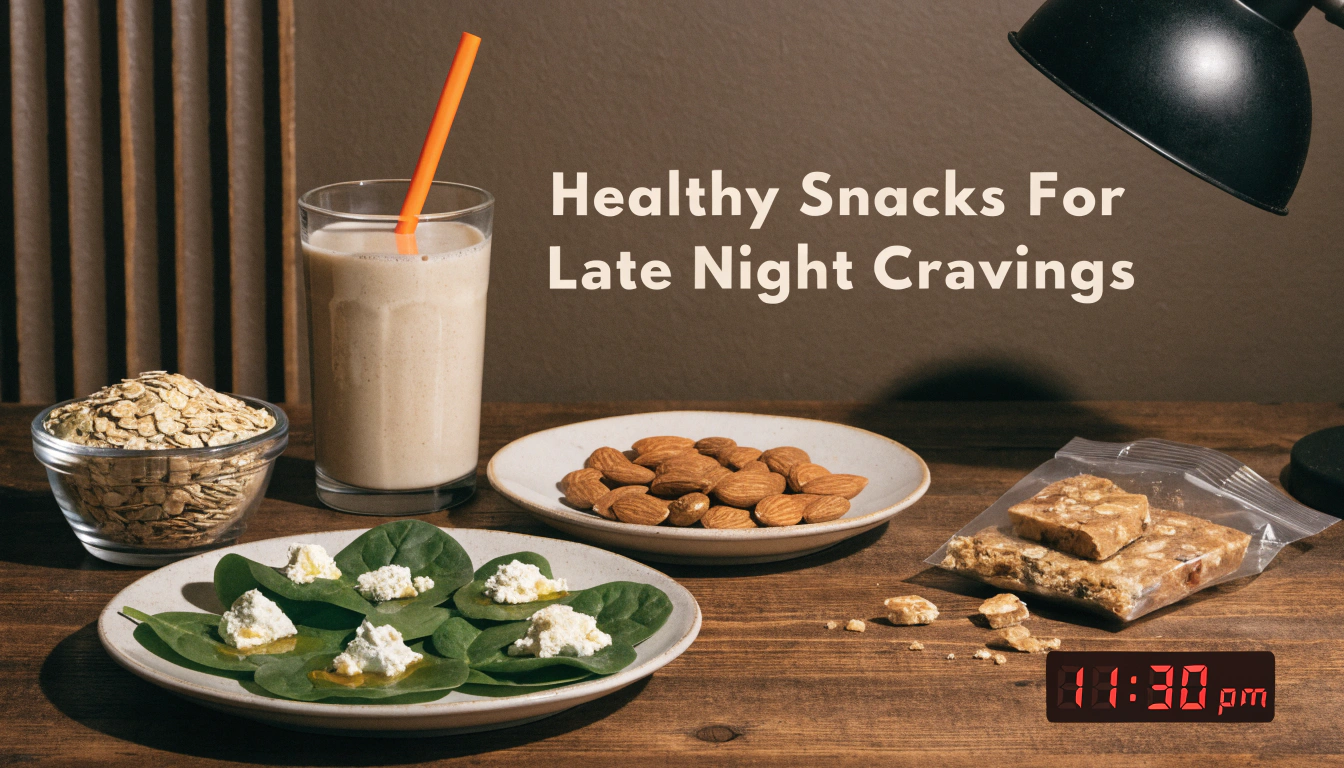
    Healthy Snacks For Late Night Cravings – 11 Best Options

    Late night cravings or eating something yummy are common, usually after a busy day before going to sleep. Selecting unhealthy snacks like chips, sweets and fast food may satisfy your appetite for a short time but can impact your health and sleep quality.

    There are many healthy snacks that fulfill your cravings also providing important nutrients. By choosing nutritious options with protein, fiber and healthy fats, you can enjoy a tasty snack without harming your health goals.

    In this article we will guide you about healthy snacks that can boost your mind and save for you instead of taking various severe unhealthy meals.

    Why Do We Get Late Night Cravings?

    Late night hunger can happen for different reasons. Sometimes it is due to not eating enough during the day, skipping meals or having meals that do not contain right protein and fiber.

    Stress, boredom and tiredness can also make people crave sugary or salty foods at night.Your body may also ask for food when blood sugar levels drop.

    Choosing balanced snacks instead of processed foods can help keep you full and prevent overeating.

    Benefits of Choosing Healthy Late Night Snacks

    Healthy snacks at night can provide many benefits when selected carefully. Nutritious snacks can save from extreme hunger, support muscle recovery and provide important vitamins and minerals.

    They can also help maintain stable blood sugar levels and reduce the desire to eat unhealthy foods.

    Foods rich in protein https://thehealthypath.online/dehydration-headache-symptoms-and-treatments/ can help you feel full for longer, while fiber rich snacks support digestion.

    A small and balanced snack before bed may also help people who feel hungry at night without causing discomfort.

    Snacks For Healthy Late Night Cravings

    The best healthy late night cravings which are beneficial for your health are;

    1. Greek Yogurt With Fruits

    Greek yogurt is one of the best healthy snacks for late night cravings because it is rich in protein and easy to digest.

    Protein helps keep you full and supports muscle repair while you sleep. Adding fruits like berries, bananas or apples provides natural sweetness, fiber and important nutrients.

    You can also add a small amount of nuts or seeds for extra healthy fats. Avoid adding too much sugar because it can reduce the health benefits of this snack.

    2. Nuts and Seeds

    Nuts and seeds are excellent choices when you want a quick and healthy snack.

    Almonds, walnuts, pistachios, chia seeds and pumpkin seeds contain healthy fats, protein, and minerals that support overall health.

    A small handful is usually enough because nuts are high in calories. They can help reduce hunger and provide long lasting energy without causing a sudden sugar increase.

    3. Banana With Peanut Butter

    A banana with a small amount of peanut butter is a delicious and satisfying late-night snack.

    Bananas provide natural carbohydrates, potassium and vitamins, while peanut butter adds protein and healthy fats.

    This combination can help control hunger and provide a feeling of fullness. Choose natural peanut butter without added sugar for a healthier option.

    4. Oatmeal

    Oatmeal is not only a breakfast food; it can also be a great evening snack. It contains fiber that helps you stay full and supports healthy digestion. Oats also provide nutrients that support steady energy levels.

    You can prepare a small bowl of oatmeal and add cinnamon, fruits or a few nuts for extra flavor. Avoid adding too much sugar or artificial sweeteners.

    5. Cottage Cheese

    Cottage cheese is a protein rich snack that can be a good choice before bedtime. It contains a type of protein called casein, which digests slowly and may help support muscle recovery during sleep.

    You can enjoy cottage cheese with fruits, nuts, or a small amount of honey. It is a simple and nutritious option for people who want a filling snack.

    6. Fresh Fruits

    Fresh fruits are a healthy way to satisfy sweet cravings at night. Apples, berries, oranges, kiwi, and bananas provide natural sugar along with vitamins, minerals and fiber.

    Fruits are lighter than many processed desserts and can help satisfy your desire for something sweet.

    Pairing fruit with protein, such as yogurt or nuts, can make the snack more balanced.

    7. Dark Chocolate

    If you are craving something sweet, a small amount of dark chocolate can be a better choice than sugary desserts.

    Dark chocolate contains antioxidants and may provide health benefits when eaten in moderation.

    Choose dark chocolate with a higher cocoa percentage and avoid eating large amounts because it still contains calories and sugar.

    8. Popcorn

    Air popped popcorn can be a healthy late-night snack when prepared correctly.

    It is low in calories and contains fiber that helps you feel satisfied. Avoid popcorn loaded with butter, salt or artificial flavors.

    You can add light seasoning such as herbs or a small amount of healthy spices for better taste.

    9. Whole Grain Crackers

    Whole grain crackers provide fiber and complex carbohydrates that can help control hunger.

    They can be paired with healthy toppings like hummus, cottage cheese or avocado.

    This combination provides a balance of carbohydrates, protein and healthy fats, making it a better option than regular processed snacks.

    10. Hummus With Vegetables

    Hummus made from chickpeas is a nutritious snack that provides protein and fiber.

    Eating it with vegetables like carrots, cucumber and celery creates a crunchy and healthy late-night option.

    This snack is filling, low in processed ingredients, and provides important nutrients that support overall health.

    11. Smoothies

    A small homemade smoothie can be a refreshing and healthy snack before bed. You can blend fruits with yogurt, milk or plant based alternatives to create a nutritious drink.

    Avoid adding large amounts of sugar. Using natural ingredients like berries, bananas, and spinach can increase the nutritional value of your smoothie.

    Foods to Avoid During Late Night Cravings

    Some foods may satisfy cravings but can negatively affect your health and sleep.

    Avoid heavy fried foods, sugary desserts, chips and fast food late at night. These foods are often high in unhealthy fats, salt and added sugar.

    Spicy foods and large meals before bedtime may also cause digestive problems for some people. Choosing lighter and nutrient rich snacks is usually a better option.

    Tips to Control Late Night Hunger

    Planning your meals during the day can help reduce nighttime cravings. Make sure your meals include enough protein, fiber, and healthy fats to keep you full.

    Drink enough water because sometimes thirst can feel like hunger. Creating a relaxing bedtime routine and avoiding eating out of boredom can also help control unnecessary snacking.

    Keeping healthy snacks available at home makes it easier to choose better options when cravings appear.

    How Much Should You Eat at Night?

    The amount of food you eat before bed depends on your hunger level, daily activity, and health goals.

    A small snack is usually enough to satisfy cravings without making you feel too full.

    Avoid eating large portions late at night because digestion slows during sleep. Focus on quality rather than quantity and choose foods that provide nutritional benefits.

    FAQS

    1. What to do if hungry at 3am and nothing at home?

    If you feel hungry at 3 AM and have no food, drink water, try to sleep and plan a healthy snack for the next time.

    2. Can I eat at 10pm and still lose weight?

    Yes, you can eat at 10 PM and still lose weight if your total calories are controlled and you choose healthy, balanced foods.

    3. What does diabetic hunger feel like?

    Diabetic hunger may feel like constant or extreme hunger, even after eating, often with symptoms like thirst, tiredness or frequent urination.

    Conclusion

    Healthy snacks can help manage late-night cravings while supporting your overall health and wellness.

    Choosing options like yogurt, fruits, nuts, oatmeal, and vegetables can provide important nutrients without adding unnecessary calories. Avoiding processed foods and planning balanced meals during the day can reduce unhealthy cravings at https://thehealthypath.online/why-am-i-tired-even-8-hours-of-sleep-guide/ night.

    The key is to choose snacks that contain protein, fiber and healthy fats to keep you satisfied.

  • Why Am I Tired Even 8 Hours Of Sleep? – Guide

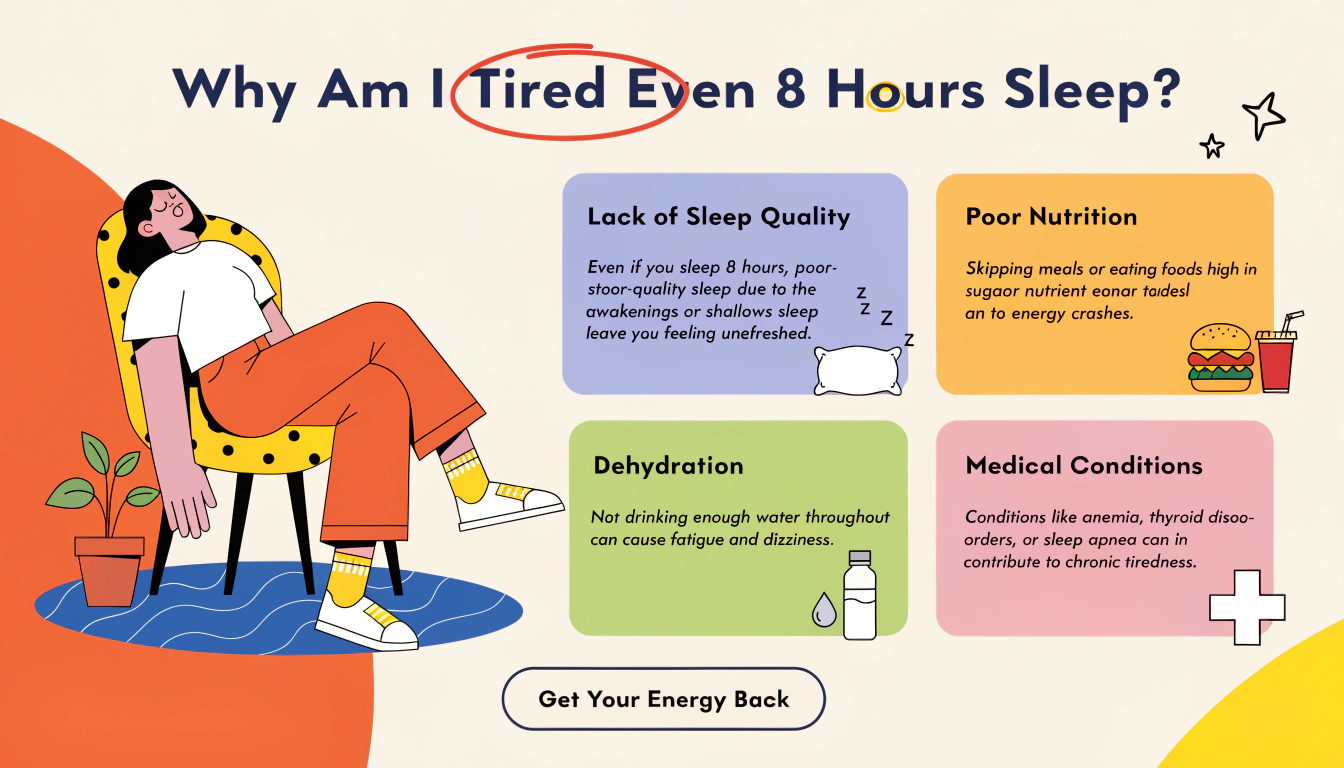
    Why Am I Tired Even 8 Hours Of Sleep? – Guide

    Why I am tired is even 8 hours of sleep,so most of the people thought that it’s enough to feel fresh, but that is not always the same in every case. You may feel tired, sleepy even after a full night’s rest.

    This can usually happen because the quality of your sleep is just as significant as the number of hours you sleep. https://thehealthypath.online/dehydration-headache-symptoms-and-treatments/ Stress, poor sleep habits, health conditions, and lifestyle choices can all impact how rested you feel.

    Understanding the possible causes can help you improve your sleep and regain your daily energy.

    Is It Normal to Feel Tired After 8 Hours of Sleep?

    Yes, it can be normal to feel tired after eight hours of sleep if your sleep quality is poor or your body is not getting the rest it needs.

    Sleeping for the given number of hours does not always mean you are getting deep, restorative sleep.

    Frequent waking, stress, or an unhealthy lifestyle can prevent your body from fully recovering during the night.

    If you feel fatigued constantly for a long time, you may need to go for a healthcare professional.

    Poor Sleep Quality

    One of the most common causes for feeling tired after sleeping is poor sleep quality. You may spend eight hours in bed but still be exhausted.

    Noise, bright lights, room temperature or waking can stop your body from reaching the deep stages of sleep.

    Better sleep is crucial because it allows your brain and body to repair, recover and prepare for the next day.

    Stress and Anxiety

    Stress and anxiety can also cause difficulty in sleep,your sleep required relaxation of your mind.If your mind isn’t free of any kinds of thoughts, https://thehealthypath.online/simple-stress-relief-activities-15-easy-ways/ it can develop false sleep.

    Therefore,Practicing relaxation techniques, reducing screen time before bed, and creating a calming bedtime routine may help improve sleep quality.

    Sleep Apnea

    Sleep apnea is a common sleep disturbance that causes breathing to stop and start repeatedly during sleep.

    Many people do not relaized that they faced sleep apnea because it generally happen at night when they are sleeping.

    These issues reduce oxygen levels and prevent restful sleep, leaving you feeling tired during the day.

    Poor Sleep Schedule

    If you do not manage your sleep timings,awaking and sleeping at different times every day,it can disrupt your body,s internal clock.

    Moreover,you sleep for eight hours,but still feel laziness It is due to irregular sleep maintenance that your brain cannot handle and set your cycle daily.

    Lack of Physical Activity

    Regular exercise encourages your body to sleep better and improves energy levels.

    Sitting for long periods and getting little physical activity can make you feel tired throughout the day.

    Exercise such as walking, cycling, or stretching helps enhance blood circulation and supports deeper sleep at night.

    Poor Diet and Dehydration

    The foods and drinks you consume impact your energy levels. Eating too much processed food, sugary snacks, or skipping meals can be the reason of energy crashes during the day.

    Dehydration can also make you feel tired, weak, and less focused. Drinking water as much as you can and eating balanced meals with fruits, vegetables, whole grains, and lean protein helps support better energy and healthier sleep.

    Vitamin and Mineral Deficiencies

    Low levels of essential nutrients like iron, vitamin D, vitamin B12, or magnesium can contribute to ongoing tiredness.

    These nutrients play crucial roles in energy production, muscle function and overall health.

    Too Much Screen Time

    Using smartphones, tablets, computers or watching television before bedtime can affect sleep quality.

    The blue light from screens reduces the production of melatonin, the hormone that helps regulate sleep.

    This can make it harder to fall asleep and reduce the amount of deep sleep you receive.

    Hidden Medical Conditions

    Sometimes tiredness after enough sleep is caused by an underlying medical condition.

    Thyroid disorders, diabetes, anemia, depression, chronic fatigue syndrome and other health problems can all Impact energy levels.

    How to Feel More Energized?/Tips For Better Sleep

    Improving your daily routine can help you to feel refreshed. Go to bed and wake up at the same schedule each day. Create a comfortable sleeping environment.

    Don’t take too much caffeine before bedtime. Stay physically active, drink enough water, eat nutritious meals,and avoid the screen.

    When Should You See a Doctor?

    Occasional tiredness is general, but regular drainage should not be ignored. If you continue feeling exhausted after getting enough sleep,consult a healthcare professional.

    Seek medical advice as soon as possible if you also observe these kind of various symptoms like loud snoring, difficulty breathing during sleep, unexplained weight changes, chest pain, dizziness, or severe daytime sleepiness.

    FAQS

    1. I thought I was lazy but actually I feel unrested even after sleeping 8 hours

    It may mean your body is not getting quality sleep, not that you are lazy.

    2. What are three warning signs of fatigue?

    Constant tiredness, difficulty concentrating, and lack of energy throughout the day.

    3. How to fix fatigue quickly?

    Drink water, eat a healthy snack, take a short walk, and get enough quality sleep.

    Conclusion

    Feeling tired even after eight hours of sleep is common to many people, and it is more crucial to sleep in better quality than sleep quantity.

    Stress, poor sleep, bad eating, dehydration, sleep disturbance, vitamin deficiencies, and medical conditions can decrease your energy levels. Following a regular sleep schedule and managing stress,good food, https://thehealthypath.online/dehydration-headache-symptoms-and-treatments/ water intake can improve both your sleep and your daily energy.

    If tiredness continues even after these changes, go for medical advice,it identifies the cause and gives the right treatment.

  • Dehydration Headache – Symptoms And Treatments

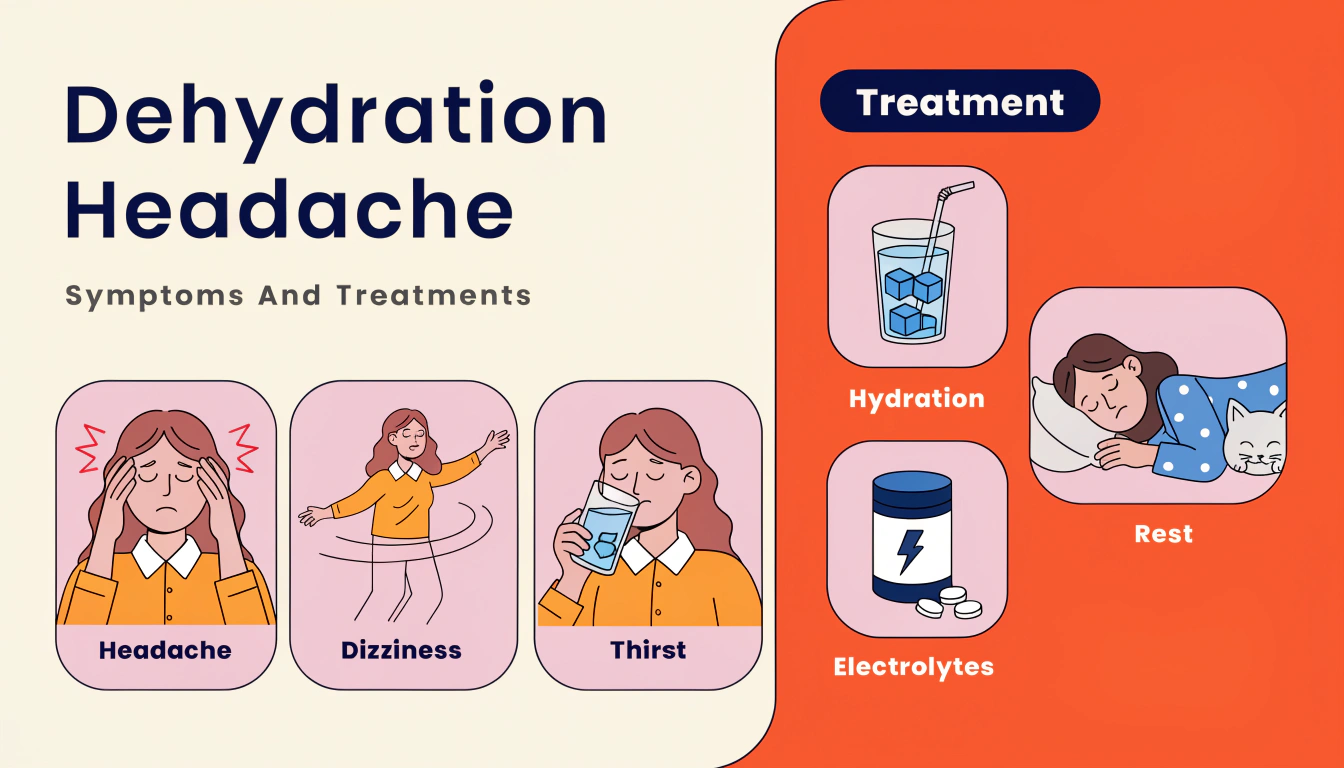
    Dehydration Headache – Symptoms And Treatments

    Dehydration is the most general cause of headaches, but many people do not realize that a lack of water can impact the brain as well as body.

    When your body loses more fluids than the amount it takes in,it can cause dehydration, it cannot work properly, which may lead to tiredness, dizziness, and head pain can be happen after sweating, not drinking enough water, illness or spending too much time in hot https://thehealthypath.online/dehydration-symptoms-and-hydration-tips-guide/ weather.

    In this article we will discuss about their symptoms and recovery as soon as possible.

    What Is a Dehydration Headache?

    Headache means pain in the head and dehydration means the lack of water,so the dehydration headache is about pain in the head due to less water in the body.

    Your body needs water to balance normal blood flow, support brain function and keep important systems working properly. Almost every work in our body needs water to perform well. When fluid levels drop, the brain and surrounding tissues can be affected, causing discomfort and pressure in the head.

    A dehydration headache can feel similar to a normal headache or migraine. Some people feel a dull pain, while others may experience pressure, weakness, or throbbing pain.

    Why Does Dehydration Cause Headaches?

    Water plays a crucial role in maintaining the body’s balance. When you become dehydrated, your blood volume can decrease, which may reduce the amount of oxygen and nutrients reaching the brain. This can cause the brain to temporarily contract or pull away from the skull, creating pain.

    Dehydration can also affect the body’s electrolyte levels. Electrolytes such as sodium and potassium help control important functions in the body. When these levels become unbalanced, it may contribute to headaches, tiredness, and difficulty https://thehealthypath.online/healthy-vs-unhealthy-foods-make-better-food-choices-in-2026/ concentrating.

    Common Causes of Dehydration

    Not drinking enough water in the whole day is one of the main issues. People often forget to drink water when they are busy, working, studying or traveling.

    Due to excessive sweating in the Hot weather also leads to fluid loss. Exercise, outdoor activities, and physical work increase the body’s need for water.

    Illnesses that cause vomiting, diarrhea, or fever can also remove fluids from the body and increase the risk of dehydration headaches.

    Drinking too much caffeine or alcohol may also be the reason for dehydration because these drinks can increase fluid loss in some people.

    Symptoms of a Dehydration Headache

    A dehydration headache may be visible with other signs that your body needs more fluids. Common symptoms are:

    • Thirst
    • Dry mouth
    • Fatigue
    • Dizziness
    • Dark yellow urine
    • Weakness
    • Difficulty focusing
    • Dry skin
    • Feeling lightheaded

    How to Fix a Dehydration Headache?

    To restore your body’s fluid levels is the easiest way to solve dehydration.Start by drinking water slowly instead of drinking a large amount quickly. Small, regular sips allow your body to absorb fluids more effectively.

    Drinks containing electrolytes may help restore important minerals. Oral drehydration solutions can also be useful in cases of important fluid loss.

    Resting in a cool and quiet place, avoid bright lights, loud sounds and heavy physical activity until you feel better.

    Food that helps to restore fluid lose

    A simple way to stay hydrated is to keep a water bottle with yourself everywhere. Do not wait until you feel extremely thirsty because it can cause lack of water and slower the body functions.

    Eating water-rich fruits including; watermelon, strawberries, oranges, and grapes provide both water and vitamins.

    Fruits like Vegetables such as cucumbers, lettuce, and celery also contain high water content. Yogurt and soups can provide fluids along with essential nutrients.

    How to Prevent Dehydration Headaches During Exercise?

    Drink water before, during, and after workouts to replace lost fluids.

    For long or intense workouts, electrolyte drinks may be helpful because they replace minerals lost through sweat.

    Avoid exercising in extreme heat without proper hydration, as this can increase the risk of dehydration.

    Listening to your body is important. If you feel dizzy, extremely tired, or develop a headache during exercise, take a break and drink fluids.

    When Should You See a Doctor?

    Most dehydration headaches improve with proper hydration and rest. However, medical advice may be needed if the headache is severe, continues for a long time, or comes with other serious symptoms.

    Seek medical help if you face extreme weakness, vomiting or signs of severe dehydration. These symptoms may indicate a more serious problem that requires professional attention.

    Difference Between Dehydration Headache and Other Headaches

    A dehydration headache often improves after drinking water and resting, while other headaches may have different problems.

    Migraines, tension headaches, sinus problems and stress-related headaches may require various approaches.

    A dehydration headache is usually linked with signs like thirst, dry mouth, dark urine and recent fluid loss.

    FAQS

    1. How to cure a dehydration headache fast?

    Drink water gently,slowly, restore electrolytes and rest in a cool place to quickly get rid of a dehydration headache.

    2. What is the finger trick for headaches?

    The finger trick for headaches involves gently massaging pressure points on your fingers or hands to help relax tension and reduce headache discomfort.

    3. How to naturally fight a headache?

    Naturally fight a headache by drinking enough water, resting, reducing stress, using a cold compress, and practicing relaxation techniques.

    Conclusion

      When your body does not have enough fluids to function properly it can cause dehydration headache.

      Due to this heavy pain, tiredness and difficulty in performing function usually happens, but it is easy to treat by drinking water to restoring fluid needs.Keeping hydrated throughout the day, eating water-rich foods and drinking extra fluids during exercise or hot weather can help prevent these headaches.

      Paying attention to your body’s signals, like thirst and dark urine, allows you to take action early. By developing healthy hydration habits, you can reduce the risk of dehydration headaches and support better overall health.

    1. Healthy Vs Unhealthy Foods – Make Better Food Choices in 2026

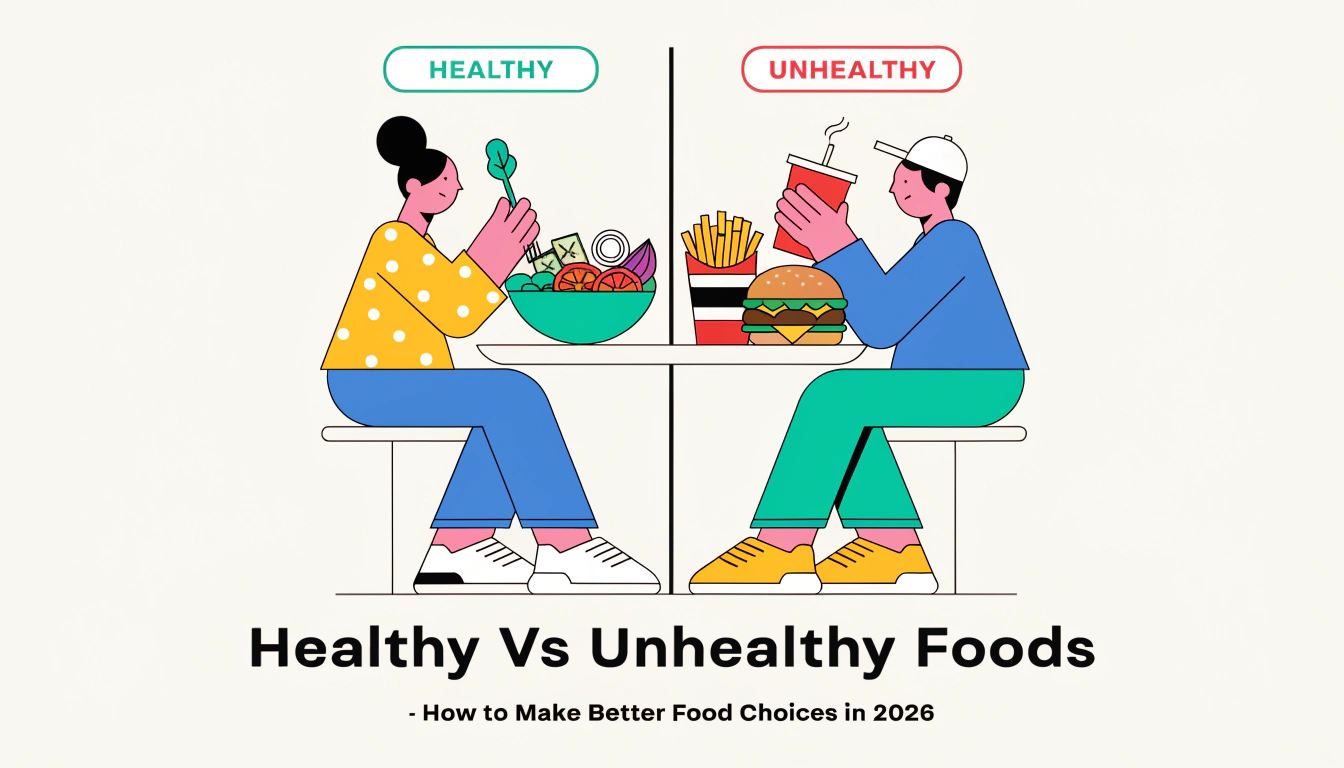
      Healthy Vs Unhealthy Foods – Make Better Food Choices in 2026

      Eating good,well nutritious foods is one of the most significant steps toward living a healthy and active life.

      The food we eat affects our energy, growth, immune system and hence overall well being.So take a healthy diet which give important nutrients that support the body,unhealthy foods can maximize the chance of many health problems.

      However,Understanding the difference https://thehealthypath.online/best-foods-to-boost-your-immune-system-naturally-guide-2026/ between healthy and unhealthy foods are much important in today’s life.In this article we will help you to make better food choices and develop long term healthy eating habits.

      What Are Healthy Foods?

      Healthy foods are natural processed foods that give the nutrients your body needs to function properly. They contain rich vitamins, minerals, fiber, protein, and healthy fats.

      Healthy foods help to balance a healthy weight, increase digestion, strengthen the immune system and reduce the risk of chronic diseases.

      Healthy foods involve fresh fruits, vegetables, whole grains, lean proteins, fish, eggs, nuts, seeds, beans, yogurt and low-fat dairy products. Drinking enough water is also a crucial part of a healthy diet because it supports nearly every function in the body.

      What Are Unhealthy Foods?

      Unhealthy foods are commonly highly processed and contain extra amounts of added sugar, salt, unhealthy fats and artificial ingredients. Although these foods may taste attractive,often convenient but they provide very little nutritional value.

      Eating them regularly can cause weight gain, poor nutrition and an increased risk of serious health conditions.

      Common examples of unhealthy foods are sugary drinks, candy, chips, fried foods, fast food, processed meats, pastries, cakes, cookies and packaged snacks.

      Nutritional Difference Between Healthy and Unhealthy Foods

      Healthy foods are rich in nutrients that help the body grow, repair tissues,fight against disease and produce energy. They contain vitamins, minerals, antioxidants, fiber and quality protein that support overall health.

      On the other hand, unhealthy foods contain high calories but are low in nutrients. They may satisfy hunger for a short time but do not provide the essential nutrients needed for health.

      Benefits of Eating Healthy Foods

      Healthy foods offer various physical and mental health benefits. A balanced diet improves heart health, makes muscles and bones strong and increases brain function. It also helps maintain stable blood sugar levels and provides steady energy throughout the day.

      Healthy eating also helps your body to digest food better,fiber helps maintain regular bowel movements, supports beneficial gut bacteria, and contributes to a healthy digestive system.

      Moreover, healthy foods often enhance skin health, strengthen hair and contribute to better sleep quality.

      Disadvantages of Eating Unhealthy Foods

      Regular consumption of unhealthy foods can affect badly on the body.It contains high sugar,fats which increase the risk of getting different diseases. Excessive intake may also contribute to inflammation and poor immune function.

      Unhealthy eating habits can affect mental health as well.Researchers say that children who frequently consume unhealthy foods may also face reduced academic performance and lower energy levels.

      Healthy Foods for a Balanced Diet

      A balanced diet includes different types of foods. Fruits and vegetables give vital vitamins, minerals, antioxidants and fiber that support health.

      Whole grains such as oats, brown rice, and whole wheat bread supply long lasting energy and improve digestion.

      Lean protein sources like chicken, fish, eggs, beans, lentils, and tofu help build and repair muscles.

      Healthy fats found in avocados, olive oil, nuts, and seeds support brain function and heart health. Low-fat dairy products provide calcium and vitamin D, which strengthen bones and teeth.

      Common Unhealthy Food Choices

      Fast food meals often such as large amounts of unhealthy fats, refined carbohydrates and sodium.

      Sugary items like soft drinks and energy drinks.Packaged snacks like potato chips, candy bars, cookies and pastries are also high in sugar, unhealthy fats, and artificial ingredients.

      While enjoying these foods occasionally is acceptable, relying on them as regular meals or snacks can negatively affect long term health.

      Reading Food Labels

      Understanding food labels before eating anything that helps the consumers make informed decisions when shopping.

      Nutrition labels provide information about calories, sugar, sodium, fats, protein, vitamins, and serving sizes.

      https://thehealthypath.online/simple-stress-relief-activities-15-easy-ways/

      Choosing products with lower added sugar, less sodium, and higher fiber supports healthier eating habits.

      Tips for Choosing Healthy Foods

      • Focus on eating more fresh fruits and vegetables, select whole grains instead of refined grains and choose lean proteins whenever possible.
      • Replace sugary drinks with water or unsweetened items and snack on nuts, yogurt, or fresh fruit instead of processed foods.
      • Cooking meals at home rather than buying from outdoors,it allows you to control ingredients and reduce unhealthy fats, sugar, and salt.
      • Shopping with a grocery list and avoiding shopping while hungry also help reduce impulse purchases of unhealthy foods.

      Can You Enjoy Unhealthy Foods Occasionally?

      Yes you can enjoy unhealthy foods on occasion because it does not harm you,but if you intake it on a daily bases it definitely effect on your health badly.

      Following the 80/20 approach can be helpful, where about 80% of your diet consists of healthy foods while the remaining 20% allows occasional treats. This balanced approach is easier to maintain over the long term than extremely restrictive diets.

      FAQS

      1. What are 20 unhealthy foods?

      Sugary drinks, candy, chips, fries, burgers, pizza, cakes, cookies, donuts, pastries, fried chicken, processed meats, instant noodles, ice cream and other highly processed snacks.

      2.Which food is healthy and unhealthy both?

      Foods like popcorn, dark chocolate, peanut butter, eggs, and potatoes can be healthy or unhealthy depending on how they are prepared and how much you eat.

      3.Which healthy food I buy from super store from our street?

      Buy fresh fruits, vegetables, eggs, yogurt, whole-grain bread, oats, nuts, beans, and low-fat milk from your local supermarket for healthy eating.

      Conclusion

      Healthy and unhealthy foods have an important role in overall health, energy levels and quality of life.

      Healthy foods provide essential nutrients that help in growth, strengthen the immune system, improve digestion, and reduce the risk of chronic diseases.

      While unhealthy foods can contribute to different health problems. Eating these occasionally is okay but daily can harm you. Making informed food choices and maintaining a balanced diet are essential to achieving long term wellness.

    2. Simple Stress Relief Activities         – 15 Easy Ways

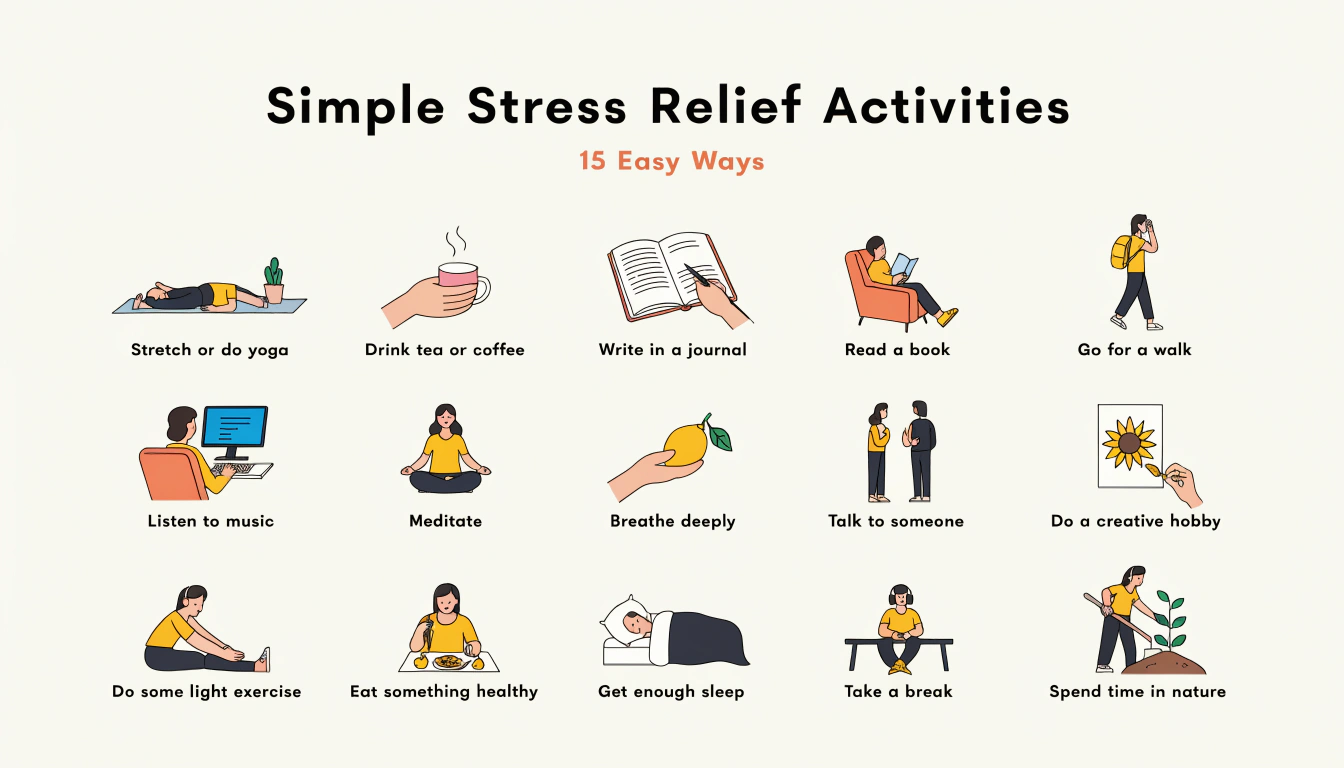
      Simple Stress Relief Activities – 15 Easy Ways

      Stress is a normal part of life, but handling it in healthy ways is crucial for both physical and mental well being.

      Easy stress relief activities can help you relax, make your mood happy and restore your energy without needing expensive tools or complicated routines.

      In this article we will discuss whether you’re dealing with work pressure, school responsibilities or everyday https://thehealthypath.online/best-foods-to-boost-your-immune-system-naturally-guide-2026/ challenges, including various habits to your routine can make a big difference.

      What are the activities utilizing for simple stress relief activities?

      Stress impacts everyone’s life at some point, but searching for healthy ways to control it can increase your overall quality.

      These activities like deep breathing,exercise,yoga,spending time in nature are easy to practice for every individual,there is no need for any money and it can fit in anyone’s schedule.

      The above helps calm the mind, reduce tension and support overall well being.

      Why Managing Stress Is Important?

      Stress is the body’s natural response to hurdles or difficult situations. While short term stress can motivate you to complete tasks, ongoing stress may affect your physical health, emotional well-being, relationships and productivity.

      High stress levels can cause headaches, poor sleep, fatigue, anxiety, difficulty in focusing and even long term health problems if left without treatment.

      Managing stress enhances mood, boosts energy and strengthens the immune system.Healthy stress management also encourages a more balanced and positive lifestyle.

      1. Practice Deep Breathing

      Firstly, deep breathing is one of the easiest and most effective ways to reduce stress.Breathing signals your nervous system to relax, lowering your heart rate and reducing muscle tension.

      It is simply to be practiced anywhere, whether you are at home, in the office, or traveling.

      It involves inhaling slowly through your nose for four seconds, holding your breath for four seconds and exhaling gently through your mouth for six seconds. This task can make your mind more relaxed and keep you away from any kind of hard stress.

      2. Go for a Walk

      Everyday walking can improve your physical fitness as well as mentally.Outdoor walks give you fresh air for breathing which is a requirement for healthy life.It increases blood circulation, releases endorphins and provides a healthy disturbance from stressful thoughts.

      Even a 20-minute walk each day can improve mood, reduce anxiety and increase energy levels. Regular walking also supports heart health, better sleep and overall physical fitness while helping manage everyday stress.

      3. Spend Time in Nature

      Another simplest way is to spend time in God’s beautiful valley.Everywhere a lovely bird’s voices,greenery make your mind fresh and calm.

      You enjoy your life from far away from busy routines and forget about challenges you experienced in daily lives,you enjoy a peaceful surroundings.

      Research suggests that spending time in green spaces lowers stress hormones and improves emotional well being.

      4. Listen to Relaxing Music

      Some people love music because it has a powerful influence on emotions. Soft instrumental music, nature sounds, classical melodies or your favorite calming songs can help reduce stress and promote relaxation.

      Music slows the heart rate, lowers blood pressure, and creates a peaceful mental environment.

      5. Exercise Regularly

      Physical activity is one of the most capable natural stress relievers. Exercise stimulates the release of endorphins, often called the body’s feel good hormones. These chemicals improve mood, reduce anxiety, and increase overall happiness.

      Activities such as jogging, cycling, swimming, dancing, yoga, or home workouts can all help relieve stress.

      6. Try Yoga

      Yoga is the mixture of best movements, controlled breathing and mindfulness that reduce stress and improve health and flexibility. Daily yoga practice helps relax tense muscles, improve posture and create a greater sense of inner peace.

      7. Write in a Journal

      Journaling provides a healthy outlet for expressing thoughts and emotions. Writing about your worries, daily experiences, or personal goals helps organize your thoughts and reduces emotional pressure.

      Many people find that writing allows them to better understand their feelings and identify practical solutions to problems.

      8. Spend Time with Family and Friends

      Powerful social connections play a significant role in managing stress. Talking with trusted family members or friends provides emotional support and helps you feel less isolated during difficult times. Sometimes simply sharing your concerns with someone who listens can reduce stress significantly.

      Spending quality time together through conversations, meals, games or outdoor activities strengthens relationships and creates positive memories. Healthy social support contributes to greater emotional resilience and overall happiness.

      9. Get Enough Sleep

      Sleep and stress are closely connected. Lack of sleep can increase stress levels, while stress can make it difficult to sleep. Establishing healthy sleep habits helps your body recover both physically and mentally.

      You should manage your sleep seven to nine hours of quality each night. Creating a relaxing bedtime routine, avoiding screens before sleep, and maintaining a consistent sleep schedule improve sleep quality and reduce daily stress.

      10. Reduce Screen Time

      Constant exposure to smartphones, computers, and social media can increase stress and mental fatigue. Taking regular breaks from digital devices allows your mind to rest and improves focus.

      Consider setting aside specific times each day to disconnect from technology. Using that time for reading, exercising, spending time outdoors, or talking with loved ones promotes healthier stress management.

      11. Enjoy a Hobby

      Hobbies give a positive escape from daily pressures and encourage creativity. Activities for example painting, gardening, cooking, photography, knitting, or playing a musical instrument allow your mind to focus on something enjoyable instead of stressful situations.

      Regular participation in hobbies also builds confidence and provides a sense of accomplishment.

      12. Stay Hydrated and Eat Healthy

      Nutrition plays an important role in managing stress. Eating balanced meals with fruits, vegetables, whole grains, lean proteins, and healthy fats provides the nutrients your body needs to function well. https://thehealthypath.online/dehydration-symptoms-and-hydration-tips-guide/ Skipping meals or consuming excessive sugar and caffeine can increase feelings of stress and fatigue.

      Drinking enough water throughout the day also supports brain function and energy levels. Proper hydration helps maintain concentration and reduces physical symptoms associated with stress.

      13. Practice Time Management

      Poor time management often increases stress because unfinished tasks create unnecessary pressure. Creating a daily schedule, setting priorities, and breaking large projects into smaller steps makes responsibilities more manageable.

      Learning to say no when necessary and avoiding procrastination also reduces stress. Organized planning helps you feel more in control of your time and responsibilities.

      14. Practice Gratitude

      Focusing on positive aspects of life helps reduce negative thinking patterns. Taking a few minutes each day to reflect on things you appreciate encourages a more optimistic outlook and improves emotional well-being.

      Gratitude can be practiced by writing in a journal, expressing appreciation to others, or simply thinking about positive experiences before going to sleep. Small moments of gratitude create lasting emotional benefits.

      15. Help Others

      Acts of kindness not only benefit others but also improve your own mental health. Volunteering, helping a neighbor, supporting a friend, or participating in community activities creates a sense of purpose and strengthens social connections.

      Helping others shifts attention away from personal worries and promotes feelings of satisfaction and happiness. Even small acts of kindness can have a meaningful impact on stress levels.

      Learn to Accept What You Cannot Control

      Many sources of stress come from trying to control situations that are beyond your influence. Accepting uncertainty and focusing on what you can change helps reduce unnecessary anxiety.

      Developing a flexible mindset allows you to adapt more easily to life’s challenges. Practicing patience, resilience, and positive thinking helps you respond calmly to unexpected events.

      Build a Daily Stress Relief Routine

      Managing stress becomes easier when healthy habits become part of your everyday routine. You do not need to practice every stress relief activity each day. Instead, choose a few techniques that work best for your lifestyle and use them consistently.

      For example, you might begin your morning with deep breathing, take a short walk during lunch, listen to calming music in the evening, and end your day by writing in a gratitude journal. Small daily habits often produce greater long-term benefits than occasional efforts.

      When to Seek Professional Help?

      While simple stress relief activities are effective for managing everyday stress, some situations require additional support. If stress becomes overwhelming, lasts for several weeks, interferes with daily life, or leads to anxiety or depression, speaking with a healthcare professional or licensed therapist is important.

      Professional support provides personalized coping strategies, emotional guidance, and treatment options when needed. Seeking help is a positive step toward improving mental health and overall well-being.

      FAQS

      1. How to calm anxiety?

      Take slow, deep breaths, focus on the present moment, and remind yourself that the feeling will gradually pass.

      2. How to relax your nervous system?

      Practice deep breathing, stay physically active, and get enough rest to help calm your nervous system naturally.

      3. What is the difference between stress and anxiety?

      Stress is usually a response to a specific challenge, while anxiety is persistent worry or fear that may continue even without an immediate cause.

      Conclusion

      Simple stress relief activities can make a significant difference in your physical, emotional, and mental health.

      Practices such as deep breathing, walking, exercise, meditation, spending time in nature, maintaining healthy relationships, and getting enough sleep help reduce daily stress naturally. The key is consistency rather than perfection.

      By making these healthy habits part of your routine, you can build resilience, improve your mood, and enjoy a calmer, healthier, and more balanced life.

    3. Best Foods to Boost Your Immune System Naturally – Guide 2026

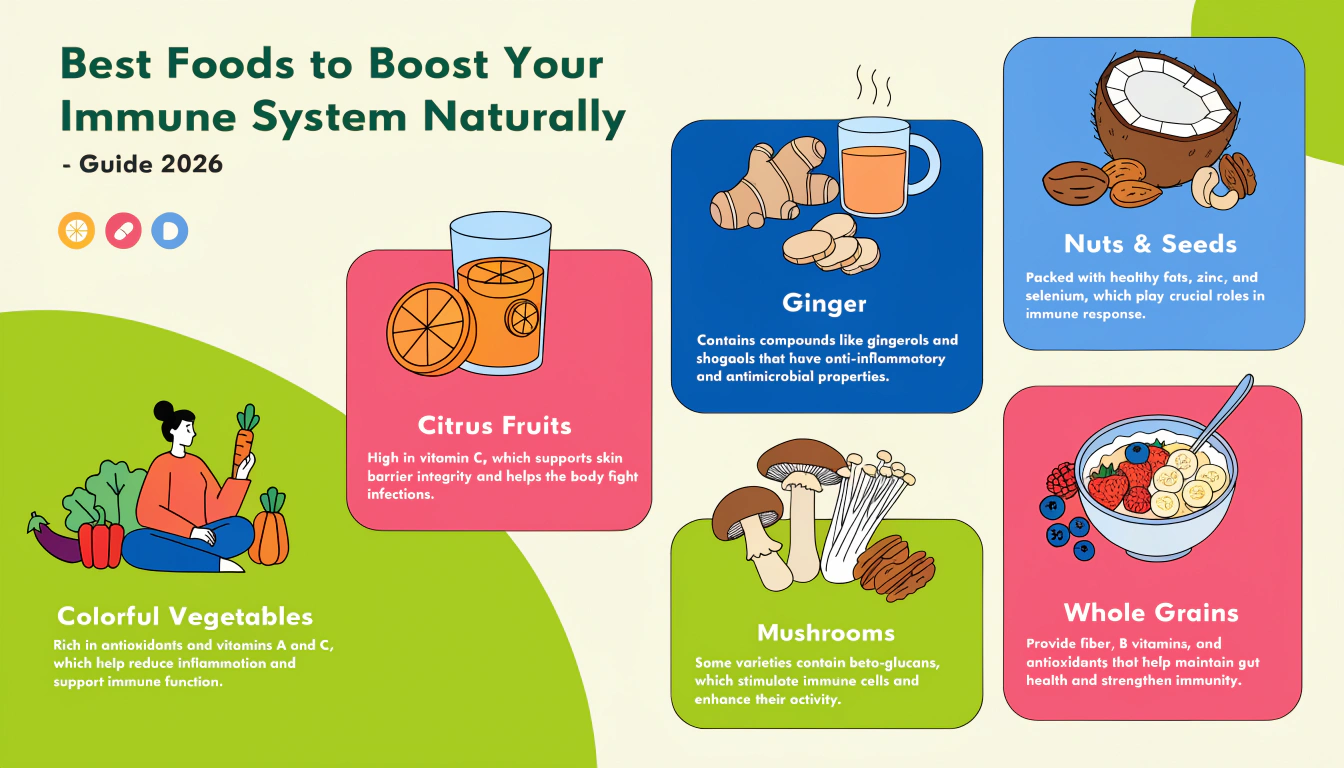
      Best Foods to Boost Your Immune System Naturally – Guide 2026

      Your body’s natural defense is your immune system war against harmful bacteria, viruses and other illnesses.

      While no single food can prevent every disease, eating a healthy and balanced diet gives your immune system the nutrients it needs to work properly.

      In 2026, more people are focusing on natural ways to stay healthy and choosing the food which https://thehealthypath.online/daily-routine-towards-healthy-lifestyle/ enhances your immune system,it is one of the easiest and most effective steps you can take.

      Why Is a Strong Immune System Important?

      A strong immune system matters the most because it protects your body from infections and helps you recover rapidly from any disease and injury when you become sick.

      It also supports wound healing, reduces inflammation and keeps your body functioning at its best. Poor nutrition, lack of sleep, stress and an inactive lifestyle can weaken your immune system day by day.

      Eating nutrient rich foods daily helps your body produce immune cells, fight harmful germs and maintain overall health.

      How Foods Help Your Immune System?

      The foods you eat provide vitamins, minerals, antioxidants, healthy fats, protein, and fiber,these helps to make strong immune system and support the production of white blood cells, reduce infection, protect healthy cells from damage and increase gut health, where a large part of the immune system is located.

      A balanced diet means a meal rich in various minerals works much better because it contains many nutrients that work together naturally than depending on supplements alone.

      Best Foods to Boost Your Immune System Naturally

      Citrus Fruits

      Citrus fruits are the best natural sources of vitamin C, which helps increase the production of white blood cells. https://thehealthypath.online/healthy-meal-tips-simple-ways/ These cells are able to fight infections and keep your immune system active.

      The citrus fruit include are;

      • Oranges
      • Lemons
      • Grapefruits
      • Limes
      • Tangerines

      Garlic

      Garlic is widely used as a natural remedy for centuries. It contains allicin, a powerful compound known for its antibacterial and antiviral properties.

      Adding up garlic in your daily food like mixing fresh garlic to soups, vegetables, sauces and meat dishes may help support your body’s natural defenses and reduce inflammation.

      Ginger

      Ginger is well known due to its anti-inflammatory and antioxidant pros. It may help relieve sore throats, reduce nausea and support your immune system during cold and flu season.

      Spinach

      Spinach is packed with vitamins A, C, and E, along with iron and antioxidants. These nutrients help strengthen immune cells and protect the body from harmful free radicals.

      Yogurt

      Yogurt is one of the important ingredients which helps to boost the immune system,it contains probiotics, also known as good bacteria, that improve gut health.

      Choose plain yogurt with live cultures and avoid products with large amounts of added sugar.

      Almonds

      Almonds are an excellent source of vitamin E, a fat-soluble antioxidant that protects immune cells from damage.

      A small handful of almonds every day gives healthy fats, protein and essential nutrients that support overall wellness.

      Turmeric

      Turmeric contains curcumin, a natural compound with strong anti-inflammatory properties.

      Green Tea

      Green tea is rich in antioxidants called catechins, which help protect cells and support good immune health.

      Berries

      Blueberries, strawberries, raspberries, and blackberries are loaded with antioxidants and vitamin C.

      These fruits help reduce oxidative stress, support healthy immune cells, and protect the body from damage caused by free radicals.

      Broccoli

      Broccoli is one of the rich nutritious vegetables,It contains vitamins A, C, and E, fiber, and antioxidants.It make the food easier to digest.

      Red Bell Peppers

      Red bell peppers are richer in vitamin C than many citrus fruits. They are also contain beta carotene, which the body change into vitamin A.

      These nutrients support healthy skin, which acts as the body’s first barrier against infections.

      Sweet Potatoes

      Sweet potatoes are also rich in beta carotene, vitamin A, fiber, and antioxidants.

      Vitamin A supports healthy skin and tissues, helping your body defend itself against harmful germs.

      Mushrooms

      Certain mushrooms, including shiitake and maitake, contain natural compounds that help activate immune cells.

      They are also good sources of selenium, vitamin D, and B vitamins that contribute to overall health.

      Fatty Fish

      Fish such as salmon, sardines, tuna, and mackerel provide omega-3 fatty acids, which help reduce inflammation and support healthy immune responses.

      They are also rich in vitamin D, another important nutrient for immune health.

      Eggs

      Eggs provide high quality protein, vitamin D, selenium and several B vitamins.

      Protein helps your body build antibodies and repair tissues after illness or injury.

      Sunflower Seeds

      Sunflower seeds are rich in vitamin E, selenium, magnesium, and healthy fats.

      They make a nutritious snack and support normal immune system function.

      Kiwi

      Kiwi contains vitamin C, vitamin K, vitamin E, folate, and potassium.

      Its combination of nutrients supports healthy immune cells and helps the body recover from infections.

      Papaya

      Papaya is another tropical fruit rich in vitamin C and digestive enzymes.

      It also provides vitamin A, folate, and antioxidants that help maintain a healthy immune system.

      Tomatoes

      Tomatoes contain vitamin C, potassium, and lycopene, a powerful antioxidant that helps protect cells from damage.

      They can be eaten fresh in salads or cooked into healthy sauces.

      Beans and Lentils

      Beans and lentils provide plant-based protein, zinc, iron, and fiber.

      These nutrients help produce immune cells while supporting digestive health.

      Oats

      Oats contain beta-glucan, a type of soluble fiber that supports healthy gut bacteria and may improve immune function.

      They also provide long-lasting energy and help maintain stable blood sugar levels.

      Pumpkin Seeds

      Pumpkin seeds are rich in zinc, magnesium, iron, and healthy fats.

      Zinc plays an important role in the development and function of immune cells.

      Dark Chocolate

      Dark chocolate with a high cocoa content contains antioxidants called flavonoids.

      When enjoyed in moderation, it may help reduce inflammation and protect immune cells.

      Healthy Drinks That Support Immunity

      Drinks are also important for maintaining a healthy immune system because staying hydrated helps your body function properly.

      https://thehealthypath.online/dehydration-symptoms-and-hydration-tips-guide/

      Healthy options such as:

      • Water
      • Green tea
      • Ginger tea
      • Lemon water
      • Herbal tea
      • Fresh vegetable juice
      • Fresh fruit smoothies
      • Coconut water

      Avoid drinking excessive sugary beverages, as they may negatively affect overall health.

      Nutrients That Strengthen Your Immune System

      Many different nutrients play a significant role in keeping your immune system healthy.

      Vitamin C

      Supports white blood cell production and helps the body fight infections.

      Vitamin D

      Helps regulate immune responses and supports healthy immune cells.

      Vitamin A

      Maintains healthy skin and tissues that protect against harmful germs.

      Vitamin E

      Acts as an antioxidant that protects immune cells from damage.

      Zinc

      Supports the growth and function of immune cells.

      Selenium

      Protects cells from oxidative stress and supports immune defense.

      Iron

      Helps transport oxygen throughout the body and supports immune function.

      Protein

      Essential for building antibodies and repairing body tissues.

      Foods That May Weaken Your Immune System

      Eating unhealthy foods too often can reduce your body’s ability to fight infections.

      Limit foods like;

      • Sugary drinks
      • Candy
      • Highly processed snacks
      • Fast food
      • Deep-fried foods
      • Processed meats
      • Excess alcohol
      • Foods high in trans fats

      Choosing whole, natural foods most of the time is a better long-term strategy.

      Lifestyle Habits That Improve Immunity

      Healthy eating works best when combined with good daily habits.

      • Sleep for 7 to 9 hours each night.
      • Exercise regularly.
      • Drink plenty of water.
      • Manage stress through relaxation techniques.
      • Maintain a healthy body weight.
      • Avoid smoking.
      • Limit alcohol consumption.
      • Wash your hands regularly.
      • Spend time outdoors for natural sunlight.
      • Eat a variety of colorful fruits and vegetables every day.

      These habits support your immune system throughout the year.

      Can Foods Prevent Illness?

      No food can completely prevent infections or cure diseases. But, a balanced diet rich in vitamins, minerals, healthy fats, fiber and antioxidants helps your immune system perform functions completely.

      Combined with regular exercise, quality sleep, stress management and proper hygiene, healthy eating can reduce your risk of illness and support faster recovery.

      Common Myths About Immune-Boosting Foods

      Many people believe that eating large amounts of one “superfood” will make them immune to illness. In reality, your immune system depends on your overall lifestyle and diet rather than a single ingredient.

      Another common myth is that taking high doses of vitamins is always better. Unless recommended by a healthcare professional, getting nutrients from whole foods is generally the safest and most effective approach.

      FAQS

      1. What foods fight viruses?

      Foods rich in vitamin C, zinc, antioxidants, and probiotics such as citrus fruits, garlic, ginger, yogurt, berries, and spinach.

      2. What are 5 signs of a weak immune system?

      Five common signs of a weak immune system include frequent infections, slow wound healing, constant fatigue, recurring digestive problems, and frequent colds or flu.

      3. What is the best vitamin to fight colds?

      Vitamin C is the most commonly recommended vitamin to support the immune system and may help slightly reduce the duration of a common cold.

      Conclusion

      The best foods to enhance your immune system naturally involve fruits, vegetables, whole grains, healthy fats, lean proteins, nuts, seeds, yogurt and fish.

      These foods provide essential nutrients that help your body war against infections, decrease inflammation and maintain overall health.

      Combine nutritious foods with regular exercise, enough sleep, proper hydration and stress management to support a stronger immune system throughout 2026 and beyond.

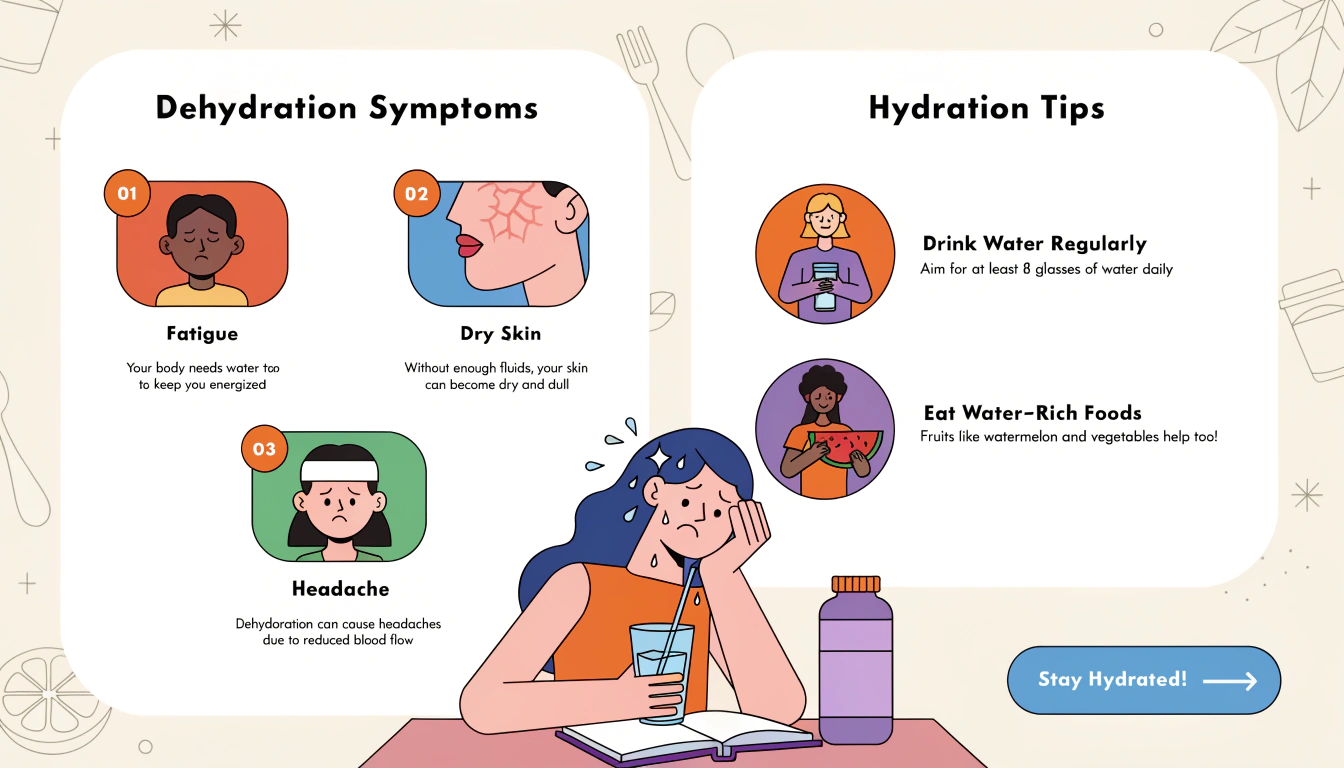
    4. Dehydration Symptoms And Hydration Tips – Guide

      Dehydration Symptoms And Hydration Tips – Guide

      Water includes the most important thing that your body needs to keep healthy and active.

      It helps to manage and control body temperature, supports digestion, carries nutrients and keeps your organs working properly. When you do not drink enough water, your body starts showing signs of dehydration.

      In this article we will Learn and recognize these signs which can help you to take better care of your health and maintain https://thehealthypath.online/healthy-meal-tips-simple-ways/ complete hydration every day.

      Why Is Water Important for Your Body?

      Water is very crucial for our body it makes up a large part of the human body, occupies most of the body and plays a role in almost every vital function.

      It helps your body remove waste, keeps your joints working smoothly, supports brain function and helps maintain energy levels.Hence every work we perform in somewhere related to water.

      Regularly, your body loses water through sweating, breathing, urine and other normal activities. So,to maintain the balance after this losses drink more water all the day.

      Signs Your Body Needs More Water / Dehydration

      1. Feeling Thirsty Often

      Feeling Thirst is the very first signal your body provides when it needs more water.

      It mean your body’s fluid level gradually decreases and your brain transfer message to drink more water to keep a balance between water intake.Less water intake runs your body slightly towards dehydration.

      2. Dark Yellow Urine

      After that the urine color also tells us the symptoms of dehydration, it changed from Light-colored urine to dark yellow urine.

      Observing your urine color is the easiest way to monitor your daily hydration.

      3. Dry Mouth and Dry Skin

      Due to the lack of water your skin,lips and mouth can be dry,it indicates that your body needs fluids (water) to produce saliva and maintain healthy skin.

      If your mouth feels dry or your skin looks less fresh than before, it means that you need more water.

      4. Feeling Tired or Low Energy

      Low water levels in your body (Dehydration) make you feel tired and weak because your body needs more water to perform normal functions, but it does not have enough water to execute it.

      The body perform all the functions with less water availability or sometime unable to carry out body’s main functions.

      5. Irregular Headaches

      Frequent Headaches can sometimes be a sign of dehydration. When you need water, fluid levels in your body decrease, which may affect your brain and generate discomfort.

      6. Difficulty Concentrating

      As I discussed above, your body needs water to perform every function,so your brain also depends on water to work properly,if water is does not present in enough quantity,you may find it harder to focus, think clearly, or complete tasks and mental illness happened gradually.

      7. Feeling Dizzy

      Dizziness or lightheadiness occurs when your body lacks enough fluids. Water helps maintain proper blood flow and balance inside your body to keep you fresh and active.

      If you feel dizzy, drinking water and resting may help, especially after physical activity or spending time in hot weather.

      8. Muscle Cramps

      Water helps to maintain the balance of minerals in your body that support muscle function. When you do not drink water, you may faced muscle cramps or discomfort.

      9. Bad Breath

      If you do not drink enough water means you experience dehydration so your mouth can be dry,which increases bacteria growth, it may lead to bad breath. Water helps to hold your mouth moist and supports better oral health.

      10. Feeling Hungry Even After Eating

      Most of the time your body confuses thirst with hunger. If you feel hungry even after eating, you may actually need water instead of more food.

      How Much Water Should You Drink Daily?

      Generally the amount of water needs to our body does not specify,it can be different and run person to person,every body needs various water quantity according to their body requirements.

      Sometimes it depends on age,activity level,weather and health conditions.People who exercise regularly or live in hot environments may need more water.

      Tips to Drink More Water

      • Keep a water bottle with you during the day.
      • Drink a glass of water after waking up.
      • Drink water before and after exercise.
      • Set reminders if you forget to drink water.
      • Include water rich products in your daily diet.

      Can You Drink Too Much Water?

      Staying hydrated is important and water is as crucial as your daily meal, like food excessive amounts of intake in a short time is harmful,water can also be dangerous.Balance is key. Listen to your body and drink water to meet your daily needs.

      Benefits of Staying Hydrated

      There are several advantages of keeping hydrated such as; it increase your energy level,improve digestion,skin became healthy,better concentration,support physical and mental performance and Proper body temperature control.

      FAQS

      1. How do I know if my body has enough water?

      You will get to know it first, when your urine color is light yellow,you feel active and energetic,your skin and mouth cannot face dryness.

      2. Can lack of water cause depression?

      Lack of water does not directly cause depression, but dehydration can impact on mood, increase stress and lead to feelings of tiredness or low energy.

      3.What not to eat when you are dehydrated?

      When you are dehydrated, avoid salty foods, processed snacks, caffeine and sugary drinks because they can increase water loss in the body.

      Conclusion

      Water plays a significant role of maintaining a balance and staying your body healthy to perform every day task while internally and externally too.

      Symptoms include thirst, dark urine, tiredness, dry skin, headaches and difficulty concentrating may show that your body needs more water.

      To drink enough fluids throughout the day and pay attention to your body’s signals, you can improve your complete health and wellness.Staying hydrated is a simple habit that can make a huge difference in your daily life like how you feel every day.

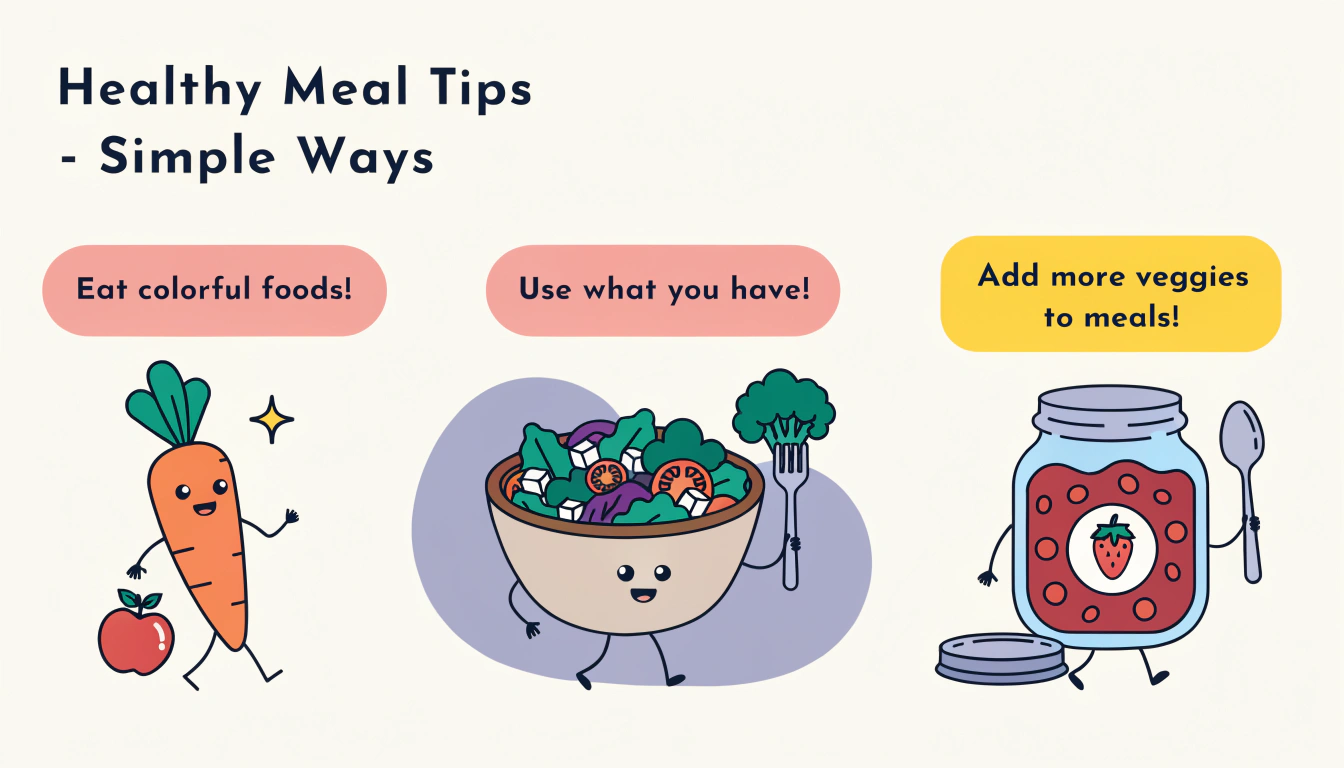
    5. Healthy Meal Tips – Simple Ways

      Healthy Meal Tips – Simple Ways

      Taking healthy food does not mean to follow a strict diet or giving up all your favorite dishes.

      A healthy meal is about selecting the right balance of nutrients that keep your body active and strong. Some fruits,vegetables and protein containing products are best for your everyday feed.

      In this article we will guide you,how to enlist small changes in your daily eating routine can enhance your energy, support your health and build a better lifestyle.

      What Are Healthy Meals?

      Healthy meals involve a variety of foods that give important nutrients like vitamins, minerals, protein, healthy fats and carbohydrates.

      By eating the healthy meal is not significant for controlling the weight but also important to support overall health, improve digestion, strengthen the immune system and keep your body working properly.

      Why is it important to take healthy meal?

      Taking a healthy meal is crucial for overall health and body fitness,it also helps the individual to lose weight and maintain a balance in life.It keeps the person active as well as strong.

      Plan Your Meals Ahead

      The easiest way to eat healthier food is to plan your meals before you take them. Make a proper schedule of what you are eating today which is included in various types of food,it also saves time, reduces food waste, and helps you make better choices.

      When you prepare a meal plan, you are more likely to select nutritious foods instead of fast food or unhealthy snacks.

      All About Food

      Adding fruits, vegetables, nuts, seeds, whole grains, and lean meats, are an important part of a healthy diet.They are rich in vitamins, minerals, fiber and antioxidants that support your body’s health and your body get different nutrients.

      Also include some Protein in your diet that helps build and repair body tissues. It also keeps you feeling full for a longer time.Good sources of protein include eggs, fish, chicken, beans, lentils, yogurt, and nuts.

      Processed and canned foods mostly contain high amounts of sugar, salt, and unhealthy fats. Choosing whole foods can help you maintain better health and give your essential nutrients.

      Drink Enough Water

      Keeping hydrated is a vital part of a healthy life. Water helps your body to do various functions of the body, like digestion, absorption and temperature control.

      Instead https://thehealthypath.online/weight-loss-at-home-simple-ways/ of sugary drinks, choose water as your main beverage. Drinking enough water throughout the day can help you feel more energetic and focused.

      Control Portion Sizes

      A healthy meal also means giving attention to how much or what food you eat today.Even healthy foods can lead to gaining weight if you eat it in a large amount.

      Eat a meal in the smaller portions and eat slowly,it helps to maintain a balanced diet without feeling restricted.

      Make Breakfast a Healthy Start

      Always begin your day with a healthy breakfast,it provides energy to start your day.

      A nutritious breakfast can help improve concentration and prevent unhealthy snacking later.

      Healthy breakfast choices include oatmeal, eggs, fruits, yogurt, whole-grain bread, and smoothies.

      Cook More Meals at Home

      Avoid outdoor food items prioritize cooking at home,homemade meals are often healthier because you can reduce extra salt, sugar and unhealthy oils.

      Try simple cooking methods such as baking, grilling, steaming, or roasting instead of deep frying.

      Listen to Your Body

      Healthy eating is not only about what you eat but also how you eat. Focus on your hunger and fullness signals.

      Avoid eating too quickly,too much or eating when you are not hungry.

      Healthy Snacking Tips

      Picking up good snacks can be part of a healthy diet and snacks refresh your mood,instead of chips or sweets, try snacks like fruits, nuts, yogurt, or vegetables with healthy dips.

      Why healthy eating matters?

      Eating healthy meals can deliver many benefits, involving:

      • Better energy levels
      • Quickly,better digestion
      • Enhance immunity
      • Healthy weight management
      • Good mood and focus
      • Lower risk of some health problems

      A balanced diet defends both physical and mental well-being.

      FAQS

      1. What is a basic healthy diet?

      A basic healthy diet includes a balance of fruits, vegetables, whole grains, proteins, and healthy fats to keep your body strong and active.

      2. What are the 5 keys to health?

      Wellness depends on caring for our physical, mental, emotional, and spiritual health through five key practices: self-love, mindful breathing, positive choices, balance, and trust.

      3. What is the key to a good life?

      A good life comes from meaningful relationships, a clear purpose, good health, and maintaining a personal balance that brings happiness and fulfillment.

      Conclusion

      Healthy eating is not as complicated as we think.Adding minor changes in your daily life can be make your meal healthy.

      Such as using more vegetables, drinking enough water, choosing whole foods and planning meals, can make a big difference.

      If you follow the simple healthy meal tips, you can create better habits and support a healthier lifestyle for the long term.

    6. Weight Loss at Home – Simple Ways

      Weight Loss at Home – Simple Ways

      Losing weight at home can be done with the right minor habits, good food choices and regular physical activity.

      You do not always need to go out to the gym or have complicated diet plans to achieve your goals. Some changes in your daily routine, like eating balanced meals, https://thehealthypath.online/womens-health-a-complete-guide-to-staying-healthy/ exercising, drinking water,enough sleep, can help you move toward a healthier lifestyle.

      This guide explains various ways that assist you to lose weight at home naturally.

      Understand Your Weight Loss Goals

      Before starting your weight loss journey, it is crucial to set goals.It does not happen overnight,stay calm and consistency matters a lot.

      Instead of focusing only on losing weight rapidly, focus on building healthy habits that you can follow for a long time.

      Every individual has a different body, so the consequences may vary from person to person.

      Eat a Healthy and Balanced Diet

      A healthy diet is one of the most significant parts of weight loss.The food you eat gives energy and impacts how your body manages weight. Try to include more fruits, vegetables, whole grains, lean proteins and healthy fats in your everyday meal.

      Do not take too many processed foods, sugary drinks and snacks that contain high amounts of calories.

      Drink More Water

      Drinking enough water can support your weight loss journey.

      Water helps your body to perform the functions properly and can decrease unnecessary hunger.

      Try drinking more water all day, staying hydrated can also improve energy levels and help you stay active.

      Exercise at Home Regularly

      You do not need expensive tools to exercise. Many simple workouts can be done at home to burn calories and enhance physical fitness,walking, jumping jacks, squats, stretching and home workout routines can help you to stay active and lose your weight.

      Get Enough Sleep

      Sleep plays a vital role in maintaining a healthy weight. Quality sleep matters the most,poor sleep effects on your overall health and fitness.Try to make your sleep good,it helps your body to stay active and relax. An irregular sleep schedule can cause disturbance in your daily life activities.

      Reduce Stress

      Stress can affect your eating habits and make it harder to follow a healthy routine. Some people eat more when they feel stressed or tired. Finding healthy ways to manage stress can support your weight loss goals.

      Activities like meditation, deep breathing, reading, or spending time with family can help you feel relaxed and focused.

      Track Your Progress

      Tracking your progress can help you stay motivated,record your meals, workouts, water intake or changes in your weight.

      It not focused only on number of calories you intake or decrease the amount of weight but also helps to understand your habits and improvement,you make to lose your weight.The positive change always brings you closer day by day to your goal.

      Avoid Common Weight Loss Mistakes

      Many people make mistakes while trying to lose weight, like using extreme diets, skipping meals or hoping for quick results. These habits can be unhealthy and difficult to maintain.

      Benefits of Losing Weight at Home

      Weight loss at home proffers many advantages such as,It saves time,saves money and allows you to create a routine that fits your lifestyle. Home workouts and healthy eating habits can improve your energy, confidence and overall health.

      By staying consistent and making smart choices, you can get long term effects without relying on expensive programs.

      Why is it important to lose weight if your weight is 100 kg?

      If your weight is 100 kg, losing weight can help to improve your overall health and fitness.It can reduce the risk of problems like heart disease, diabetes and joint pain.
      A healthy weight can increase your energy levels and make daily activities easier.Maintaining a balanced diet and regular exercise can help you achieve a healthier lifestyle.

      Conclusion

      Weight loss at home is an easy and productive method to improve your health and fitness.

      With a balanced diet, regular exercise, enough sleep,less stress, and a positive mindset, can help you to achieve your goals of weight loss.

      And the thing which matters the most is to stay consistent and focus on healthy habits rather than quick fixes.

      FAQS

      1. How many calories should intake daily to lose the weight?

      To lose weight, most people need around 1,500–2,000 calories per day, but the exact amount depends on age, gender, weight, height, and activity level.

      2.What is the laziest way to burn fat?

      The easiest way to burn fat is to maintain a healthy calorie deficit, walk regularly, eat balanced meals, and stay active in your daily routine.

      3. What are the best foods for weight loss?

      The best foods for weight loss include vegetables, fruits, lean proteins, whole grains, eggs, nuts, and high-fiber foods that keep you full for longer.

      4. What are zero calorie foods?

      Zero-calorie foods are very low-calorie foods like cucumber, lettuce, celery, and leafy greens that help you feel full without adding many calories.

      5. What happens if you only eat once a day for a month?

      Eating only once a day for a month may cause weight loss, but it can also lead to low energy, nutrient deficiencies, overeating, and an unhealthy eating pattern.